




OpenAI’s Late-2026 Shift: What Is GPT-6 Astra?
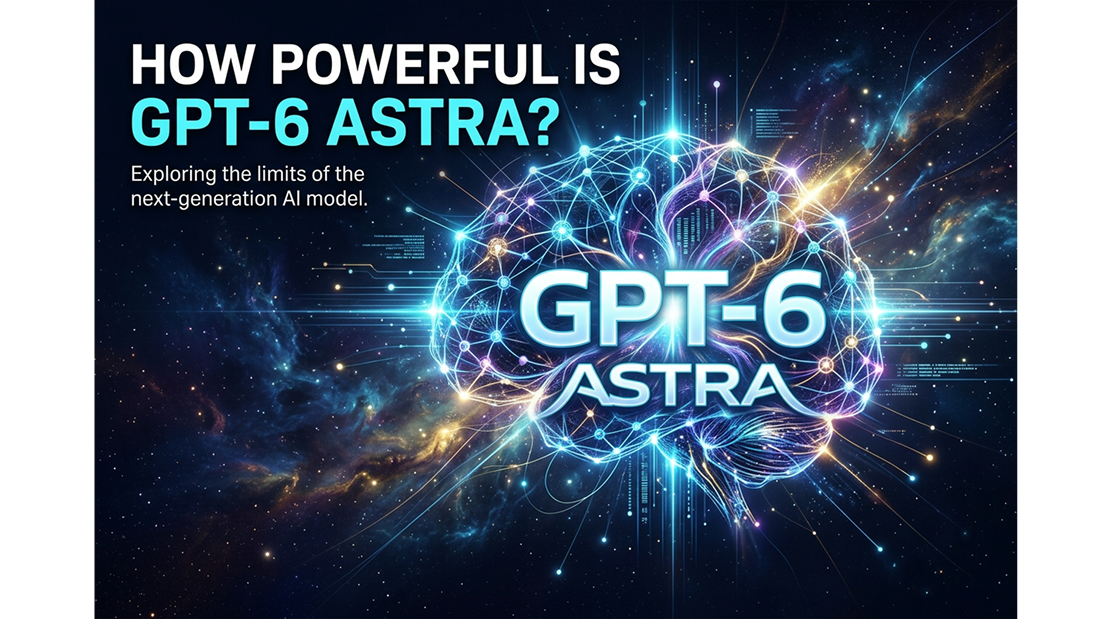
The release of GPT-6 Astra represents a major architectural milestone in the late-2026 AI ecosystem. Until recently, engineering teams were forced to compromise: using high-throughput engines like GPT-5.6 Sol for fast API calls and agent actions, or turning to reasoning-heavy frameworks like Claude Fable 5.1 for deep system architecture tasks and multi-file refactoring.
GPT-6 Astra merges these paradigms into a unified Omni-Thinking engine. By dynamically scaling test-time compute directly within the generation loop, Astra evaluates prompt complexity on the fly—executing simple tool calls instantly while reserving deep multi-step reasoning for complex engineering problems.
For developers and system architects, integrating GPT-6 Astra offers incredible capabilities, but it also demands a disciplined approach to unit economics and API infrastructure.
Architectural Breakdown: Dynamic Omni-Thinking Engine
Astra’s primary core advantage is its dynamic compute router, which automatically balances response latency (Time-to-First-Token) against internal reasoning depth.
In Low-Complexity Mode, Astra operates with near-zero added latency, matching the raw execution speeds of high-throughput models like GPT-5.6 Sol. In Deep Thinking Mode, it expands internal reasoning paths to tackle complex software architecture and logic puzzles, competing directly with Anthropic's Claude Fable 5.1.
The Hard Data: GPT-6 Astra vs. GPT-5.6 Sol vs. Claude Fable 5.1
To understand where Astra fits in your production stack, we compare it directly against the two leading alternative frontier models of late 2026 across standardized engineering benchmarks:
Key Benchmark Insights:
- SWE-bench Pro: GPT-6 Astra takes the top spot by resolving complex cross-file dependencies. However, Claude Fable 5.1 remains remarkably close (89.8%), demonstrating exceptional precision in long-context instruction adherence.
- Speed & Throughput: While Astra wins on pure reasoning accuracy, GPT-5.6 Sol delivers significantly faster output token speeds (~220 TPS) at a fraction of the cost, making Sol the ideal choice for high-volume background tasks.
Real-World Testing: Code Refactoring and Autonomous Agent Loops
To test these models beyond synthetic environments, we subjected them to real production workloads.
Scenario A: Refactoring a Legacy Monorepo
We tasked each model with analyzing a TypeScript/Rust repository containing asynchronous race conditions and memory leaks.
- GPT-6 Astra: Analyzed the entire repository state in a single context pass, identified the exact non-deterministic state bug in Deep Thinking Mode, and generated a working patch with unit tests in 42 seconds.
- Claude Fable 5.1: Delivered an equally accurate structural fix with clearer code documentation, though execution time took slightly longer (58 seconds).
- GPT-5.6 Sol: Completed the task in just 18 seconds, but missed a subtle edge case in the Rust memory management layer, requiring a secondary prompt pass.
API Economics: Managing Token Spend and Latency
Choosing the right model is ultimately a balance of unit economics and performance requirements. Billing structures across late-2026 frontier models vary significantly based on reasoning overhead:
Cost & Performance Comparison (Late 2026 API Pricing)
The Production Risk
Running 100% of your application's API traffic through GPT-6 Astra is financially inefficient. Using Astra for routine data transformation, basic classification, or simple JSON formatting inflates your monthly infrastructure bill without adding value.
Multi-Model Orchestration: Deploying the Frontier via AnyAPI
The optimal infrastructure strategy in 2026 is dynamic multi-model routing. By pairing GPT-6 Astra, Claude Fable 5.1, and GPT-5.6 Sol behind a single API layer, you ensure maximum execution reliability while keeping costs under control.
Unified AnyAPI Implementation Example
With AnyAPI.ai, you can target GPT-6 Astra directly while configuring Claude Fable 5.1 or GPT-5.6 Sol as automatic fallbacks:
// Calling GPT-6 Astra with dynamic fallback via AnyAPI
const response = await fetch("https://api.anyapi.ai/v1/chat/completions", {
  method: "POST",
  headers: {
    "Authorization": `Bearer ${process.env.ANYAPI_KEY}`,
    "Content-Type": "application/json"
  },
  body: JSON.stringify({
    model: "openai/gpt-6-astra",
    messages: [
      {
        role: "system",
        content: "You are an automated DevOps agent operating in system repair mode."
      },
      {
        role: "user",
        content: "Analyze the attached error logs and issue a CLI resolution script."
      }
    ],
    // Primary fallback to Fable 5.1, secondary fallback to GPT-5.6 Sol
    fallback_models: ["anthropic/claude-fable-5.1", "openai/gpt-5-6-sol"],
    temperature: 0.1
  })
});

const data = await response.json();
console.log(data.choices[0].message.content);
Why Infrastructure Teams Build with AnyAPI:
- Zero Vendor Lock-In: Switch between OpenAI and Anthropic endpoints instantly by changing a single parameter string in your payload.
- Automated Cost & Rate Limit Fallbacks: If GPT-6 Astra hits a temporary rate limit or experiences elevated latency, AnyAPI automatically reroutes your request to Claude Fable 5.1 or GPT-5.6 Sol instantly.
- Unified Enterprise Billing: Consolidate your API usage across all major model providers into a single monthly invoice and dashboard.
Frequently Asked Questions
Is GPT-6 Astra strictly better than Claude Fable 5.1 for coding?
GPT-6 Astra scores slightly higher on multi-file refactoring benchmarks (92.4% vs 89.8% on SWE-bench Pro). However, Claude Fable 5.1 remains exceptional at generating detailed inline documentation and adhering to strict architectural formatting rules.
When should I use GPT-5.6 Sol instead of GPT-6 Astra?
GPT-5.6 Sol should be your default choice for high-throughput, low-latency tasks such as text classification, simple UI generation, fast conversational responses, and routine background data processing where deep test-time reasoning is unnecessary.
.png)