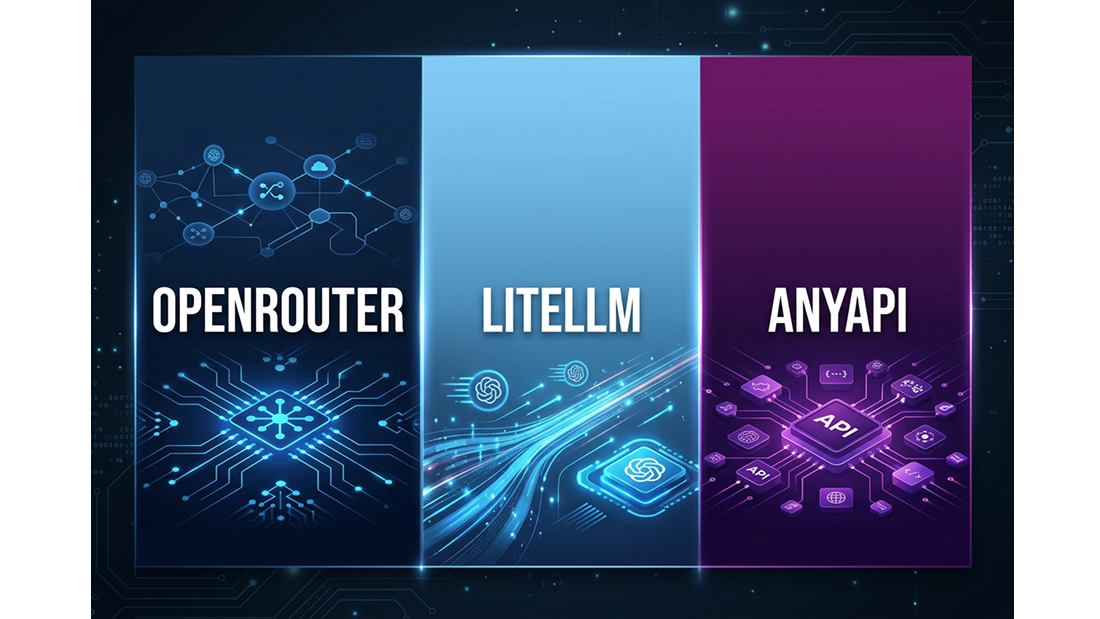






Marketing teams today face a constant push to deliver personalized experiences at scale, often while juggling limited resources and evolving tech stacks. Developers and AI engineers are frequently pulled in to build these systems, bridging the gap between creative campaigns and robust backend infrastructure. As AI tools become more accessible, understanding how to leverage them for marketing isn’t just a nice-to-have; it’s essential for staying competitive in a data-saturated world.
The Challenges of Integrating AI in Marketing
Integrating AI into marketing workflows presents unique hurdles, especially for teams without dedicated data scientists. One major issue is handling vast amounts of customer data while ensuring privacy and compliance, such as GDPR or CCPA standards. Developers often struggle with interoperability between disparate tools, leading to siloed systems that hinder real-time personalization.
Another challenge lies in scaling AI models for tasks like content generation or audience segmentation. Without proper orchestration, these efforts can result in inconsistent outputs or high costs from over-reliance on a single provider. For SaaS founders and tech leads, this means balancing innovation with operational efficiency, all while keeping marketing goals aligned with technical feasibility.
How the AI Landscape Has Evolved for Marketing
The AI landscape has shifted dramatically in recent years, moving from rule-based systems to advanced large language models (LLMs) that understand context and nuance. Early tools focused on basic automation, like email scheduling, but today’s multi-provider AI ecosystems allow for seamless switching between models from providers like OpenAI, Anthropic, or Google.
This evolution has been driven by advancements in LLM infrastructure, enabling API flexibility that supports hybrid approaches. Marketing teams now use these tools for predictive analytics, sentiment analysis, and even creative ideation, reducing manual effort by up to 40% according to recent industry reports from sources like Gartner. Developers benefit from this by building more resilient applications that adapt to changing AI capabilities without constant rewrites.
Why Traditional Marketing Approaches Fall Short
Traditional marketing relies heavily on manual processes and static data analysis, which limits scalability in a digital-first environment. For instance, segmenting audiences based on demographics alone ignores behavioral signals that AI can uncover in real time, leading to lower conversion rates.
These methods also lack the orchestration needed for multi-provider AI, often locking teams into vendor-specific silos that stifle innovation. Tech leads know this creates technical debt, as updating campaigns requires custom coding rather than flexible APIs. In a world where consumer expectations demand hyper-personalization, sticking to outdated tactics means missing out on the efficiency gains from modern LLM infrastructure.
Embracing Modern AI Alternatives for Marketing
A smarter alternative involves adopting platforms that emphasize interoperability and orchestration across multiple AI providers. This approach allows developers to build marketing tools that dynamically select the best model for tasks like generating ad copy or analyzing customer feedback, ensuring optimal performance and cost control.
For example, using API flexibility, you can create a simple pipeline that integrates LLMs for personalized email campaigns. Here’s a short Python snippet illustrating how to orchestrate a multi-provider setup for content generation:
This code demonstrates basic orchestration, letting teams switch providers without refactoring the core logic. It highlights how LLM infrastructure can streamline marketing tasks, blending technical simplicity with business impact.
Practical Examples and Real-World Case Studies
In practice, SaaS teams have seen transformative results from AI-driven marketing. A mid-sized e-commerce platform used multi-provider AI to automate product recommendations, increasing click-through rates by 25% through real-time personalization. Developers integrated LLMs to analyze user browsing data, orchestrating models from different providers to handle peak loads efficiently.
Another case involves a B2B software company that leveraged API flexibility for lead nurturing. By using AI to generate tailored outreach messages, they reduced response times and boosted conversion rates by 15%, as tracked in their internal analytics. AI engineers on the team focused on interoperability, ensuring the system could adapt to new models without disrupting campaigns.
For tech leads in startups, these applications extend to A/B testing ad creatives. One fintech firm employed LLM infrastructure to iterate on messaging, resulting in a 30% uplift in user acquisition. These examples show how orchestration turns complex data into actionable marketing strategies, proving AI’s value across industries.
Looking Ahead: The Future of AI in Marketing
As AI continues to mature, the key insight is that success hinges on flexible, orchestrated systems that empower developers to innovate without constraints. By embracing multi-provider AI and robust LLM infrastructure, marketing becomes a data-powered engine for growth, accessible to teams of all sizes.
Platforms like AnyAPI fit naturally into this vision, providing the tools for seamless integration and scalability that align with these evolving needs. Whether you’re a developer building the next campaign tool or a founder scaling operations, focusing on interoperability will define the winners in tomorrow’s marketing landscape.